As someone deeply committed to understanding how technology can improve lives, I often consider the unique needs of our senior population. The desire for independence remains strong as people age. Many seniors want to continue living in their own homes for as long as possible. This is a wonderful goal, but it comes with responsibilities for safety and well-being.
I see technology as a powerful ally in this effort. We are not just talking about convenience. We are talking about solutions that offer real protection and peace of mind for seniors and their families. This is where the concept of protecting seniors with innovative emergency technology becomes vital.
This article explores how modern advancements can help keep our elders safe and connected. I want to show you the practical ways these tools make a difference every single day.
The Growing Need for Senior Emergency Preparedness
Our senior population is growing. With this growth comes a greater need to address their specific safety concerns. As individuals age, their physical and cognitive abilities can change. This makes them more vulnerable to emergencies at home or when they are out. I have learned that a proactive approach to emergency preparedness for older adults is not just helpful, it is essential.
Many seniors live alone. They might have chronic health conditions. These factors increase the potential risks they face. A simple fall or a sudden medical event can quickly become a serious emergency. We must empower them with tools that act as a safety net.
Understanding Common Risks for Older Adults
Seniors face several common risks. Falls are a leading cause of injury. They can lead to broken bones or head trauma. Cardiovascular events like heart attacks or strokes are also more common. These require immediate attention. Other risks include medication errors or getting lost, especially for those with cognitive decline. Even everyday tasks can pose a risk if an unexpected health issue arises.
Recognizing these dangers helps us tailor solutions that truly meet their needs. We need to think about their environment and daily routines. This allows us to put protections in place before an emergency occurs.
Limitations of Traditional Emergency Plans
Traditional emergency plans often rely on a senior’s ability to react quickly. They might need to reach a phone or remember specific instructions. This is not always realistic. A senior who has fallen might be unable to get to a phone. Someone experiencing a stroke might struggle to communicate. I have seen how these limitations can delay critical help.
Reliance on family or neighbors is valuable, but they cannot always be there. Modern technology fills these gaps. It provides automatic alerts and direct connections to emergency services. This reduces the burden on the senior to initiate help during a crisis.
Wearable Devices: A Direct Line to Help
Wearable emergency devices have truly changed the landscape of senior safety. I remember when these were clunky and limited. Now, they are sleek, discreet, and packed with powerful features. These devices give seniors a direct line to help with just a press of a button or, in some cases, without any action at all.
The beauty of these wearables is their portability. They go wherever the senior goes. This means protection extends beyond the home. It gives continuous monitoring and quick access to assistance.
Medical Alert Systems and Their Evolution
Medical alert systems, like personal emergency response systems (PERS), have been around for a while. They started as simple pendants with a call button. Today, these systems have evolved significantly. Many now include two-way communication. This allows a senior to speak directly with an emergency operator through the device itself. Some even have automatic fall detection. This feature senses a fall and sends an alert, even if the senior cannot press the button.
These advanced features mean help can be dispatched faster. This can drastically improve outcomes. I consider these systems a cornerstone of innovative senior emergency tech, providing critical support when every second counts.
GPS Tracking for Enhanced Safety
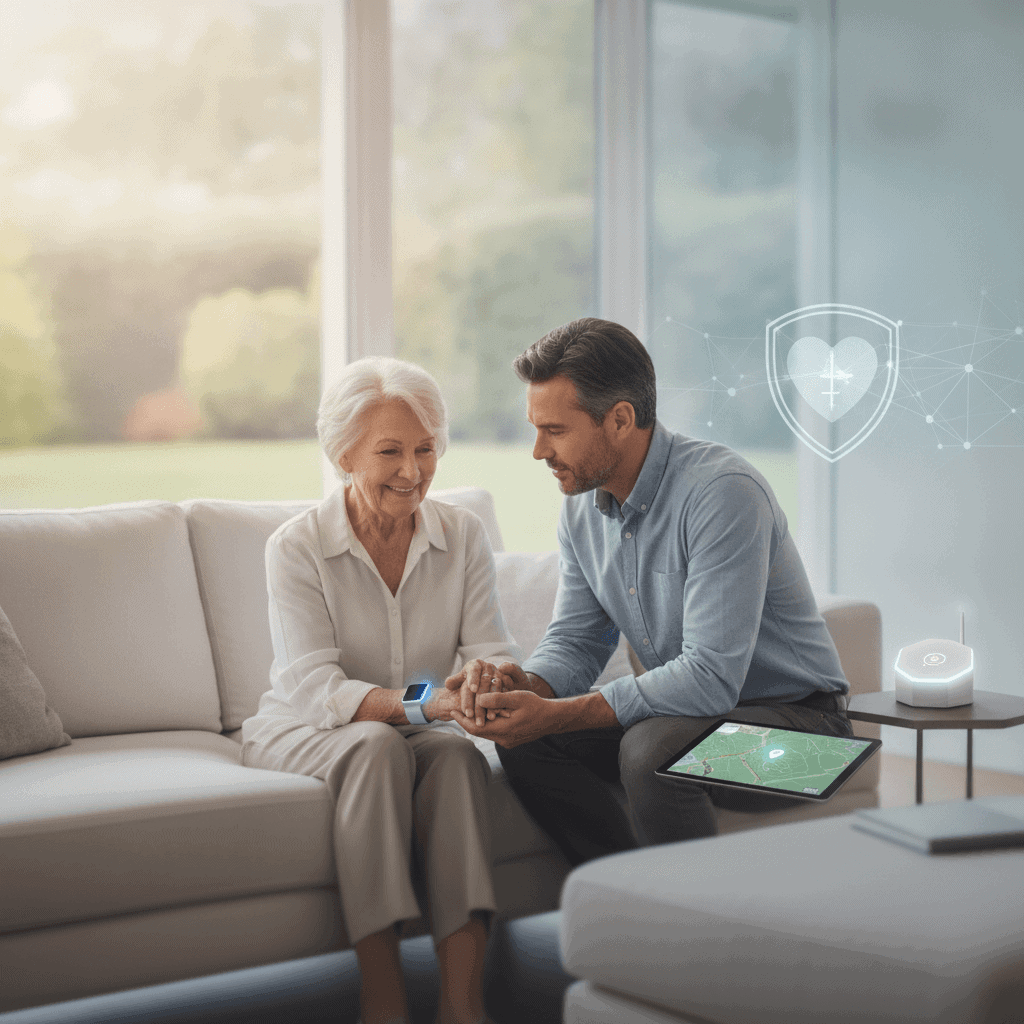
Another incredible feature in many modern wearables is GPS tracking. This is especially helpful for seniors who may be prone to wandering, like those with Alzheimer’s disease or dementia. If a senior becomes disoriented or gets lost, family members or emergency services can quickly pinpoint their location. I know this provides an immense sense of relief for caregivers.
The GPS capabilities are often integrated into smartwatches or discreet pendants. They provide location data in real time. This ensures that help can find them, no matter where they are. It truly expands the protective bubble around our older adults.
Smart Home Systems and Proactive Monitoring
Smart home technology is not just for convenience or entertainment. It has become a powerful tool for protecting seniors with innovative emergency technology. These systems can transform a home into a vigilant protector, constantly monitoring for potential dangers and alerting caregivers or emergency services when needed. This proactive monitoring adds a layer of safety that traditional methods cannot match.
I often advise families to consider how these systems can blend into a senior’s existing living situation. This is important. Smart home solutions can be customized to fit individual needs. They can provide a wide range of safeguards.
Fall Detection and Prevention Technologies
Falls are a major concern for seniors. Smart home technology offers advanced solutions for this. Beyond wearable fall detection, some systems use radar, pressure sensors, or even cameras with AI to detect falls. These sensors can be placed discreetly around the home. They learn normal movement patterns. This helps them identify unusual events, like a sudden collapse. Some systems can even identify fall risks. They might detect unsteady walking or prolonged periods of inactivity.
This early detection means help can arrive faster. It reduces the time a senior might spend on the floor, potentially injured. Preventing falls is even better. We can use smart lighting to illuminate pathways when movement is detected. We can also integrate voice-activated controls. This lets seniors adjust their environment without risky movements.
Environmental Sensors for Home Safety
Beyond falls, smart home systems protect seniors from environmental hazards. We can install smoke detectors and carbon monoxide detectors that are connected to a central system. These systems alert not only the senior, but also family members or emergency services if an alarm triggers. This is a huge benefit.
Other sensors can monitor for leaks, extreme temperatures, or even open doors and windows. For example, a water leak sensor under a sink can prevent significant damage and potential slipping hazards. Temperature sensors can ensure the home stays at a safe level. This is crucial for seniors who may be more susceptible to heatstroke or hypothermia. These simple yet powerful tools safeguard the home environment effectively.
Telehealth and Remote Medical Support
Telehealth and remote medical support represent another vital aspect of protecting seniors with innovative emergency technology. This category of technology leverages digital communication to deliver healthcare services from a distance. For many seniors, getting to a doctor’s office can be challenging. Telehealth removes this barrier. It allows them to access medical care without leaving their home.
I have seen firsthand how convenient and reassuring telehealth can be. It ensures continuous care. It also provides immediate medical advice during less severe emergencies. This is a game-changer for maintaining health and preventing crises.
Virtual Consultations and Medication Management
Virtual consultations allow seniors to speak with doctors or nurses via video call. They can discuss symptoms, receive diagnoses, and get prescriptions. This is perfect for routine check-ups or when a minor health issue arises. It reduces the need for potentially risky travel.
Medication management is another critical area. Smart pill dispensers can remind seniors to take their medicine. Some systems even alert caregivers if a dose is missed. This technology helps prevent medication errors. It ensures seniors adhere to their treatment plans. This proactive management can prevent many medical emergencies before they start.
Remote Monitoring of Vital Signs
Advanced telehealth setups include devices for remote monitoring of vital signs. Seniors can use cuffs to measure blood pressure. They can use glucometers to check blood sugar. There are also smart scales for weight. These devices automatically transmit data to healthcare providers.
Doctors can track a senior’s health trends in real time. They can spot potential problems early. For example, a sudden spike in blood pressure can trigger an alert. This allows for intervention before a severe event like a stroke occurs. This continuous oversight offers an incredible layer of protection, especially for those with chronic conditions.
Communication Tools for Family and Caregivers
Effective communication is a cornerstone of senior protection. It ensures that family members and professional caregivers are always in the loop. They know when help is needed. Innovative emergency technology provides robust communication tools. These tools bridge distances. They create a strong support network around older adults. I believe this connectivity is just as important as direct emergency response systems.
Knowing that your loved one is safe and reachable brings immense peace of mind. These tools foster a sense of community and shared responsibility for senior well-being.
Centralized Communication Platforms
Many smart home ecosystems and senior care apps offer centralized communication platforms. These platforms allow authorized family members and caregivers to share information. They can coordinate visits. They can track a senior’s daily activities. These systems might send alerts if an emergency button is pressed. They also report on the status of environmental sensors.
This ensures everyone involved has the same, up-to-date information. It streamlines decision-making during a crisis. It reduces confusion and delays. For me, seeing families collaborate effectively with these tools is truly heartwarming.
Digital Check-ins and Reminder Systems
Beyond emergencies, technology helps with daily well-being through digital check-ins and reminder systems. Smart displays can offer visual prompts for medication or appointments. Automated voice calls or text messages can ask a senior if they are okay. If there is no response, the system alerts a designated contact.
These gentle prompts support independence while providing a subtle layer of supervision. They are not intrusive. They simply ensure that a senior is responsive and engaged. This can be crucial in detecting a slow-onset issue before it escalates into a full-blown emergency.
Training and Accessibility: Ensuring Technology Adoption
Implementing innovative emergency technology for seniors is only effective if they actually use it. This means we must prioritize training and accessibility. I have learned that even the most advanced systems are useless if they are too complex or intimidating. Our goal is to empower seniors, not to overwhelm them. We need to make sure technology is a friend, not a foe.
Providers of these technologies have a responsibility to design with seniors in mind. This includes large buttons, clear interfaces, and simple language. Family members also play a key role in support and encouragement.
Simplified User Interfaces and Design
Companies are now designing emergency technology with seniors at the forefront. This means simpler interfaces. There are fewer steps to activate features. There are larger text and icons. Voice activation is another excellent feature. It allows seniors to control devices with spoken commands. This bypasses the need for fine motor skills. This makes technology much more accessible. We need to continue this trend. Design should always prioritize ease of use and clarity.
I believe a good design is one that almost disappears. It should feel natural. It should be intuitive for the user.
Personalized Training and Ongoing Support
No matter how user-friendly a device is, some seniors will need personalized training. Sitting down with them, patiently explaining how a device works, and letting them practice is invaluable. Family members or a trusted caregiver can provide this. Device manufacturers often offer customer support lines. These lines can help with setup and troubleshooting. Ongoing support ensures that seniors remain comfortable and confident using their emergency technology. It helps them feel secure.
This human element alongside the technology makes all the difference. We are not just installing gadgets. We are building a system of support.
The Future of Senior Emergency Technology: What’s Next?
The field of protecting seniors with innovative emergency technology is constantly evolving. I am excited to think about what comes next. Artificial intelligence and machine learning are already making huge impacts. They promise even more sophisticated solutions. We will see devices that are more predictive. They will anticipate needs before they become urgent.
Integrated ecosystems are also on the horizon. These will connect all aspects of a senior’s life. This creates a truly seamless protective environment. The future is about smarter, more personalized safety.
AI-Powered Predictive Analytics
Imagine a system that can analyze a senior’s daily routines. It can learn their habits. Then it could detect subtle changes that might indicate a health issue. This is the promise of AI-powered predictive analytics. If a senior starts getting up more often in the middle of the night, or if their walking pattern changes slightly, the system could flag this. It might suggest a check-up with a doctor. This early warning system could prevent many emergencies.
AI will also improve fall detection. It will reduce false alarms. It will make systems more reliable. This is an exciting prospect for proactive care.
Seamless Integration and Holistic Care
The future will see even greater integration of various technologies. A senior’s medical alert system might communicate directly with their smart home. It could also share data with their electronic health records. This creates a holistic view of their well-being. Emergency responders could access critical health information instantly.
This seamless integration will mean faster, more informed responses during emergencies. It also simplifies managing multiple devices. Everything works together for the senior’s benefit. I believe this truly comprehensive approach will redefine senior safety.
Embracing Technology for Senior Safety and Well-being
I have explored how protecting seniors with innovative emergency technology is more than just a convenience. It is a necessity in our rapidly aging world. From wearable devices that provide a direct link to help, to smart home systems that proactively monitor for dangers, and telehealth services that connect seniors with vital medical support, these advancements offer layers of protection and reassurance. We have also seen the power of improved communication tools for families and the critical importance of thoughtful design and personalized training to ensure widespread adoption.
The continuous evolution of AI and integrated smart systems promises an even brighter future. These developments will bring predictive insights and seamless care. As we embrace these technologies, we are not just investing in devices. We are investing in the independence, dignity, and safety of our loved ones. We are giving them the freedom to live life fully. I urge you to consider how these tools can enhance the lives of the seniors in your community or family. Research the options available. Take action to implement solutions that provide peace of mind for everyone involved. The benefits extend far beyond the senior. They touch every family member and caregiver who cares about their well-being.