
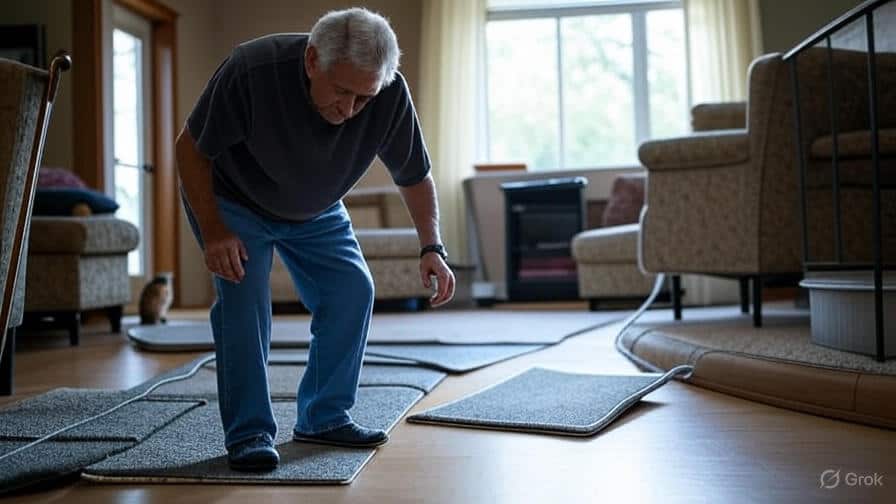
Imagine seeing someone you care about move around fine one day, then suddenly take a nasty fall the next. That hits hard, especially with older adults. Falls are a serious threat for seniors and often leave injuries that won’t heal quickly. The Centers for Disease Control and Prevention reports over one in four people aged 65 and older fall every year, with more than 14 million falls happening annually. These falls don’t just cause bruises or broken bones; they also shake a person’s confidence and make everyday chores feel like climbing a steep mountain. Knowing this helps families catch dangers early and keep their loved ones safe longer. Keep reading to discover how to catch those sneaky warning signs before it’s too late.
As caregivers or family members, taking charge of this issue starts with knowledge and preparation. This Guide to Fall Risk Evaluation for Seniors equips you with the tools to spot potential dangers before they strike. By learning how to assess risks systematically, you can create safer spaces and promote healthier habits. Whether you’re helping a parent, grandparent, or neighbor, this approach offers practical ways to protect those who matter most, turning concern into confident action.
Throughout this guide, we’ll cover everything from initial data collection to ongoing monitoring, all grounded in real-world advice. You’ll find tips backed by expert recommendations and statistics, like the fact that falls result in nearly 3.5 million emergency department visits for older adults each year in the United States. Let’s dive in and build a foundation for lasting safety.
Grasping the Vital Need for Fall Risk Evaluations in Seniors
Falls don’t just happen randomly. They often stem from a mix of factors that build up over time, particularly as people age. Recognizing this helps underline why evaluations play such a key role. For instance, the World Health Organization notes that falls cause around 684,000 deaths globally each year, ranking as the second leading cause of unintentional injury fatalities. Among seniors, this risk escalates due to changes in balance, muscle strength, and reaction times.
Conducting a fall risk evaluation serves multiple purposes. It spots vulnerabilities early, allowing for interventions that preserve mobility and self-reliance. Think about how a simple assessment might prevent a hip fracture, which affects thousands annually and often requires extensive recovery. Beyond physical benefits, these evaluations cut down on medical expenses by avoiding hospital stays and treatments. In Canada, for example, 20 to 30 percent of seniors fall yearly, highlighting the widespread need for proactive measures.
To get started, focus on the bigger picture. Evaluations empower families to address issues head-on, fostering environments where seniors thrive. Practical advice includes scheduling regular check-ins with healthcare providers to discuss any emerging concerns. By prioritizing this step, you’re not just reacting to problems. You’re preventing them, which leads to better outcomes for everyone involved.
Collecting Crucial Details on Health and Daily Habits
Before diving into physical inspections, gather a full picture of the senior’s background. This foundation reveals patterns that contribute to fall risks. Start by reviewing medical records and talking openly about past experiences. Conditions like arthritis or heart issues can impair movement, increasing the chance of slips.
Exploring Medical Background and Medication Effects
Document any chronic illnesses or previous falls. These details pinpoint specific triggers. For example, if a senior has osteoporosis, their bones may break more easily from even minor tumbles. Discuss this with their doctor to understand implications fully.
Medications deserve close attention too. Many prescriptions cause side effects like lightheadedness, which can strike without warning. List all drugs, including non-prescription ones, and note dosages. If dizziness appears as a common complaint, consult a pharmacist for alternatives. A real-life tip is to use a pill organizer to track intake accurately, reducing mix-ups that might heighten risks.
Assessing Physical Strength and Sensory Awareness
Evaluate how well the senior moves and senses their surroundings. Weak legs or poor coordination signal higher dangers. Simple observations, like watching them stand from a seated position, provide insights.
Vision and hearing checks are essential. Diminished sight might mean missing obstacles, while hearing loss could prevent detecting warnings. Ensure eyeglasses and hearing devices fit properly and get updated regularly. An actionable step is to schedule annual exams, pairing them with overall health reviews for comprehensive care.
Carrying Out an In-Depth Home Environment Review
The home should be a sanctuary, but hidden hazards turn it into a potential minefield for seniors. A thorough inspection identifies these threats, paving the way for fixes. Begin in high-traffic areas, noting anything that could cause trips.
Securing Floors, Stairs, and Bathroom Areas
Clear pathways of clutter, such as scattered shoes or cords. Secure rugs with tape or remove them if they bunch up. Install non-slip mats in kitchens and entryways to handle spills.
For stairs, add sturdy handrails on both sides. If climbing proves challenging, explore options like chair lifts. In bathrooms, grab bars near toilets and showers offer support during vulnerable moments. Raised seats and walk-in tubs further minimize risks, making daily routines smoother.
Enhancing Visibility with Proper Lighting
Dim spaces invite accidents. Replace bulbs with brighter LED versions and add motion-sensor lights in hallways. Nightlights in bedrooms and bathrooms guide safe nighttime travels. A practical example is placing lamps at bed level for easy access, reducing the urge to fumble in the dark.
Overall, this review transforms the home into a supportive space. Document findings in a checklist for reference, ensuring nothing gets overlooked.
Measuring Balance and Movement Capabilities
To gauge a senior’s stability, use straightforward tests that reveal strengths and weaknesses. These assessments provide objective data, guiding targeted improvements. Always perform them in a safe setting, with assistance nearby.
The Timed Up and Go Test involves rising from a chair, walking a few meters, turning, and sitting back down. Times over 12 seconds suggest elevated risks. Practice this regularly to track progress.
Another option is the Berg Balance Scale, which includes tasks like standing on one foot or reaching forward. Scores below 45 out of 56 indicate concerns. For a quicker check, try the Sit-to-Stand Test, where the person rises without using arms. Struggles here point to leg weakness.
Incorporate these into routine visits. If results worry you, involve a physical therapist for personalized exercises. Examples include leg lifts or balance drills, done daily for gradual gains.
Examining Results and Building a Team Approach
Once data collection and tests wrap up, sit down with the senior and family to discuss outcomes. This conversation clarifies risks and sparks ideas for solutions. Use simple language to explain findings, avoiding jargon that confuses.
Encourage input from everyone. A senior might share unnoticed habits, like skipping meals, that affect energy levels. Caregivers can suggest realistic changes, such as rearranging furniture for better flow.
End with a shared plan, assigning tasks to keep momentum. This collaborative method builds commitment, making safety a group priority.
Launching Protective Actions to Lower Risks
With insights in hand, shift to implementation. Start small for quick wins, then tackle larger projects. Mobility aids like canes or walkers provide immediate stability. Choose ones that fit properly to avoid added issues.
Exercise routines build core strength. Programs focusing on gentle movements, such as water aerobics, improve coordination without strain. Aim for 30 minutes most days, adjusting based on ability.
Home modifications range from decluttering to adding smart features, like voice-activated lights. Medication reviews with doctors can swap out problematic drugs. In emergencies, consider fallback safety steps that include alert systems for quick help.
Track these changes’ impact through journals, noting any close calls or improvements. This feedback loop refines efforts over time.
Maintaining Vigilance with Periodic Reviews
Safety isn’t a one-time fix. As health shifts or homes change, risks evolve. Set reminders for quarterly reassessments, or sooner after events like illnesses.
Revisit tests and inspections, comparing to baselines. Adjust plans accordingly, perhaps adding more aids if mobility declines.
Involve professionals for objective views. Physical therapists or occupational specialists offer fresh perspectives. Devices like wearable alerts provide ongoing monitoring, signaling falls instantly.
This consistent approach keeps protections current, adapting to life’s changes for sustained well-being.
In wrapping up this Guide to Fall Risk Evaluation for Seniors, remember the core elements we’ve explored. From understanding the stakes with alarming statistics like 41,400 fall-related deaths in the US in 2023, to gathering health details and inspecting homes, each step builds a safer reality. Testing balance uncovers hidden weaknesses, while reviewing findings fosters teamwork. Implementing strategies, from exercises to modifications, turns knowledge into action. Regular reviews ensure longevity in these efforts.
The benefits extend far beyond avoidance of injuries. Seniors gain confidence, families find relief, and overall quality of life improves. By applying these methods, you’re investing in futures filled with activity and joy. Don’t wait for a mishap to prompt change. Start today by assessing your loved one’s situation. Gather the family, grab a notepad, and begin the process. If needed, consult healthcare experts for guidance. Your actions could make all the difference, creating homes where aging happens gracefully and securely. Take that first step now, and watch the positive changes unfold.


