Choosing the right tools for a home project feels like getting lost in a giant hardware store maze. Tools must finish the job fast, save money, and keep clutter away. Picking smart tools can shrink project time by half—now that’s something worth knowing. These simple hacks help DIY fans shop like pros and dodge pricey slip-ups. Find tough tools that make every task easy and even fun. Get set—tool shopping turns into an exciting adventure full of neat surprises. Stick around if finishing projects quicker, cheaper, and easier sounds good to you.
Whether you plan to install shelves, refinish furniture, or tackle larger renovations, choosing the right tools affects outcomes and time spent. Read on for clear rules of thumb, specific tool recommendations, and ways to protect your investment.
Match tool choice to your typical projects
Start by listing the types of jobs you do most often. Small repairs, furniture assembly, light carpentry, and outdoor upkeep all demand different priorities. For example a homeowner who hangs pictures and assembles flat pack furniture will need reliable hand tools and a compact drill more than a framing nailer.
Use this simple method to prioritize purchases
- Count how many times a year you perform each task
- Estimate the time saved by using a specific tool
- Rank tools that will be used monthly higher than those used once a year
By focusing on frequency and time savings you avoid buying specialty items that sit unused. Your first purchases should solve recurring needs and fit storage limits.
Power tools versus hand tools and how to decide
Power tools provide speed and can make heavier work practical. Hand tools offer control and cost savings for small tasks. Choosing between them depends on project scale, skill level, and budget.
Essential power tools for many DIYers
- Cordless drill driver with a two speed gearbox and adjustable clutch
- Compact circular saw that accepts lightweight blades for crosscutting and ripping
- Oscillating multi tool for cutting in tight spots and removing grout
- Random orbital sander for smooth finishes on wood and paint prep
Essential hand tools that never go out of use
- Claw hammer with a balanced head and comfortable grip
- Combination square for quick layout and 90 degree checks
- Screwdriver set including Phillips and slotted drivers with magnetic tips
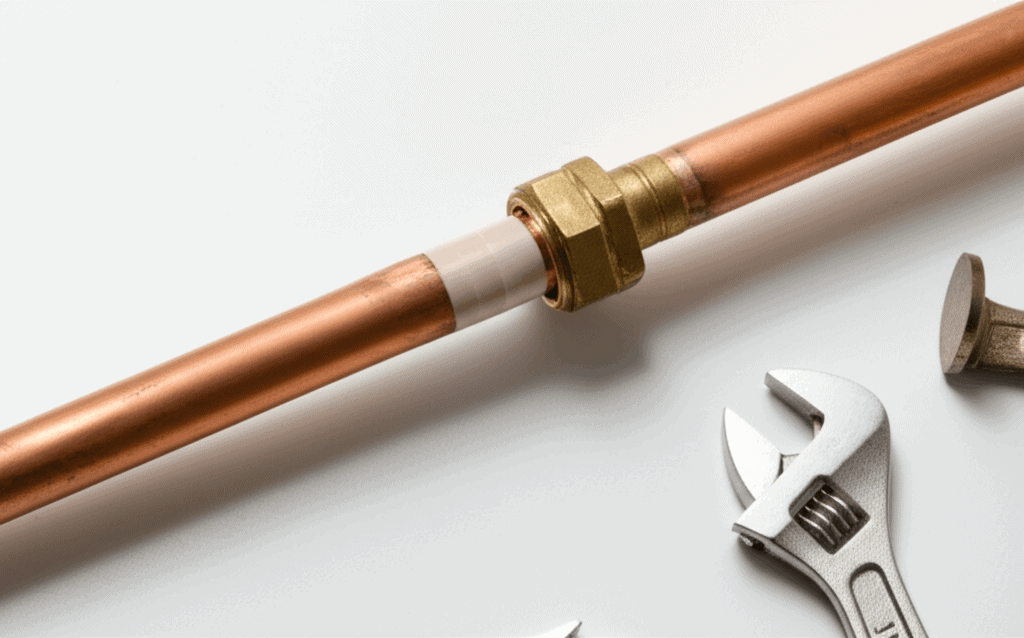
- Adjustable wrench and a set of pliers for plumbing and general work
Tip choose a single battery platform for your cordless tools to save money on chargers. If you only do small projects a quality hand tool set plus a basic drill driver may be all you need.
How to budget and buy smart without wasting money
Buying tools requires a balance between upfront cost and long term value. A common mistake is to buy the cheapest option and then replace it when it fails. A better approach is to divide tools into three purchase tiers
- Core tools you use weekly buy with higher quality in mind
- Occasional use tools choose mid range models or rental where practical
- Specialty tools rent or borrow unless you will use them several times a year
When to buy used and what to inspect
Used tools can offer great value especially hand tools and stationary items. When buying used check for excessive wear loose handles rust free moving parts and included accessories. For power tools take a quick run test and verify battery condition if batteries are included.
Buying new and warranty considerations
For frequently used power tools a solid manufacturer warranty and available replacement parts matter. Manufacturers that provide clear parts diagrams and accessible service centers will keep a tool usable for many years. Keep receipts and register tools when offered so warranty claims are faster when needed.
Choosing brands and reading reviews with a critical eye
Brand recognition can help but it is not the only indicator of quality. Read several reviews focusing on reliability user reports about longevity and specific failure modes. You can find helpful comparisons on specialist sites and forums where real world users post updates after months of use.
If you want quick buying help visit resource pages like the diy tool advisor website for product breakdowns and testing notes that match typical home projects.
Safety features and storage solutions that protect tools and people
Safety should influence tool choice from the start. Look for built in guards in power saws stable base plates on sanders and clear safety cutoffs on electrical tools. For hand tools check for comfortable grips and secure fasteners to reduce slippage.
- Wear eye and ear protection appropriate for the tool and task
- Keep blades and bits sharp to reduce kickback and slippage
- Label storage bins and keep small parts organized to avoid time wasted searching
Good storage keeps tools in better shape. A small rolling chest or wall mounted pegboard makes it easier to find the right tool and prevents damage from tools tossed into a pile. For batteries keep them in a cool dry place away from direct sunlight to extend lifespan.
Tool maintenance tips that extend useful life
Proper maintenance reduces repair costs and keeps tools ready to use. Simple routines pay off over years of projects.
- Clean tools after each use remove dust chips and moisture
- Lubricate moving parts with the recommended product at regular intervals
- Replace worn brushes and blades before they cause strain on motors
- Store hand tools in a dry environment and apply a light protective oil to steel surfaces
Write a short checklist for each major tool and attach it near your workbench. For example include torque checks for drivers blade replacement intervals for saws and battery health checks for cordless tools.
Planning a small tool kit for common projects
If you want a compact kit that covers most household needs aim for a mix of hand tools and a few versatile power tools. This keeps costs and storage requirements reasonable while allowing you to handle most repairs and upgrades.
- Cordless drill driver with two batteries
- Set of screwdrivers and a multi bit driver
- Claw hammer and pry bar for demolition and framing
- Tape measure and level for accurate layout
- Compact circular saw or a jigsaw for cutting wood sheets and trim
- Random orbital sander for finishing and paint prep
Pack these items in a sturdy toolbox or small chest with room for a few accessories like drill bits extra blades and safety gear. That way you can move from project to project without hunting for tools.
Conclusion
Good tool selection starts with clear priorities about the projects you handle most often. Focus first on tools that save time and produce safer results for tasks you perform frequently. Balance cost against likely years of use and favor warranties and brands that provide replacement parts. Think about storage and maintenance from the beginning so your tools stay ready and last longer. Use used tools where it makes sense and rent specialty items you will rarely need. Take advantage of product reviews and specialist resources when comparing models and features.
When you follow these simple principles you build a kit that handles a wide range of home projects without clutter or waste. Make a short buying plan today list what you need this year and what can wait. If you want extra buying help check a reputable review resource or a hands on community and then make a purchase with confidence.