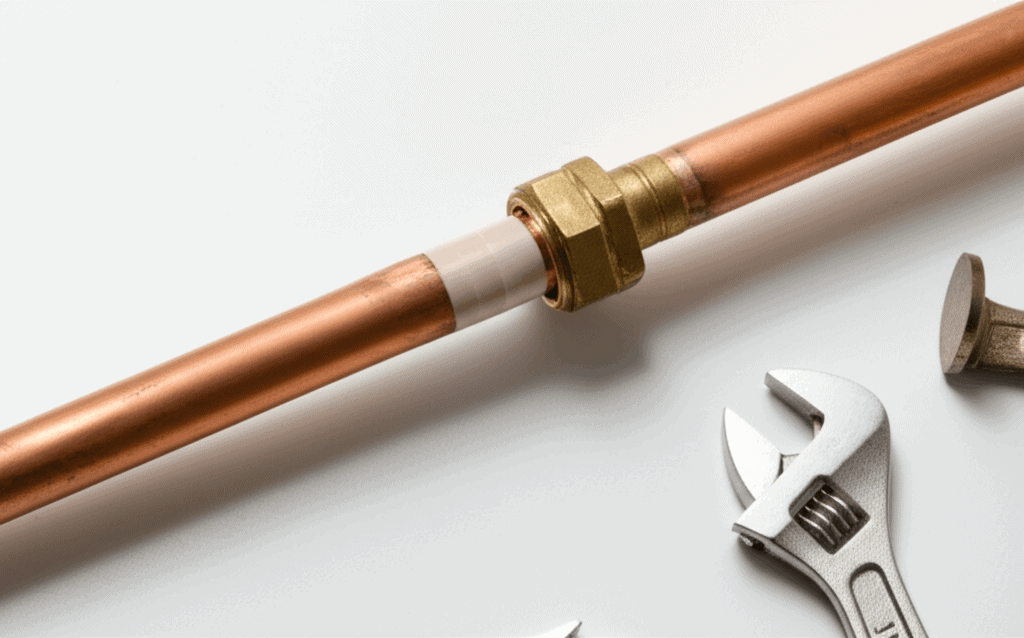
Fixing a leaky pipe by patching it instead of replacing the whole thing saves a boatload of money for homeowners and property managers. A full repipe can cost thousands and brings a ton of stress. Often, a quick fix stops leaks fast, gets water flowing right, and makes old pipes last longer. It’s like giving your plumbing a little tune-up instead of tearing everything apart. This smart move saves cash and keeps water running smooth without any big mess. Folks wanting to dodge massive repair bills and keep their plumbing solid will benefit from trying this easy fix. Keep reading to find out how to stretch the life of your pipes and avoid a major headache.
This article walks through common problems that can be repaired without a full replacement, tools and materials you will likely need, step by step repair options, and guidance on when professional help makes sense. Practical tips and real examples are included to help you decide the best approach for your situation.
Why fixing a pipe without replacing everything makes sense
Major replacement work is sometimes necessary, but it is not always the first or best option. A targeted repair can save money and reduce downtime. When a problem is localized to one section of pipe or a single fitting, patching or relining can restore function while avoiding the cost and mess of tearing into walls and floors.
Smaller repairs also conserve materials and require fewer permits or inspections in many jurisdictions. For older systems that are largely healthy, addressing trouble spots can extend useful life for years. The key is assessing the cause and extent of the damage so you choose the right repair method.
Common pipe problems that do not require full replacement
Understanding the types of damage that are repairable helps set expectations. Here are frequent issues that usually allow for partial fixes.
- Pinhole leaks These tiny holes often occur in copper or galvanized pipe and can usually be patched or capped at a short section.
- Corrosion or localized rust When corrosion affects a short run, cutting out and replacing that section is faster than replacing an entire system.
- Leaky joints and fittings Faulty solder, worn seals, or loose connections can be tightened or replaced without changing the whole line.
- Root intrusions on underground lines Roots that enter a seam or joint can often be removed and the damaged area repaired or relined.
- Clogs that cause pressure damage A clog can strain pipes and fittings. Clearing blockages and addressing the damaged section is usually enough.
Tools and materials you will need for partial pipe repairs
Having the right items on hand speeds the job and reduces mistakes. If you plan to attempt simple repairs yourself, assemble a basic kit.
- Pipe cutters and adjustable wrenches
- Replacement fittings of the correct material and size
- Compression fittings and repair couplings
- Epoxy putty and pipe repair clamps
- Plumber tape and sealing compounds rated for potable water where applicable
- Protective gloves and eye protection
- A wet vacuum and bucket for water cleanup
Choose materials that match the pipe type. For example, use copper fittings for copper piping or PEX connectors for PEX lines. Mixing incompatible materials can cause premature failure.
Step by step simple repairs you can do yourself
Here are practical repair options, from temporary emergency measures to longer term fixes you can complete in a single afternoon.
Temporary fixes for emergencies
When a sudden leak appears, stop the flow and limit damage. Shut off the water supply to the affected area and remove excess water. For short term patching try epoxy putty over a cleaned dry spot. Wrap the putty according to directions and allow proper cure time before restoring pressure. A pipe repair clamp is another quick option. Place the clamp over the leak and tighten the bolts to compress the gasket against the pipe. These solutions are reliable for short periods and can hold long enough to schedule a more permanent repair.
Permanent patching methods
For a longer lasting repair, cut out the damaged section and install a new segment with compatible fittings. Use a pipe cutter for clean edges. For copper pipe, solder a new coupling in place. For PEX, insert a crimp style or push fit fitting. Push fit fittings are useful for DIY work because they require no soldering and create a durable seal when installed correctly.
Another durable option for underground lines is pipe relining. A resin-lined sleeve is pulled or pushed through the existing pipe and cured in place to create a new inner pipe. This method avoids digging along the entire run and leaves the original line intact except for access points. Relining is typically done by professionals because it requires specific equipment, but it is often less invasive than a full dig and replace.
When to call a professional and what to expect
Some situations are best handled by a trained technician. If you encounter multiple leaks, widespread corrosion, persistent low pressure, or recurring clogs it is time to get expert evaluation. A professional can run diagnostic tests such as video camera inspections that reveal the interior condition of your pipes. That information helps determine whether a localized repair or a larger replacement is appropriate.
When you decide to hire a company, look for clear documentation of their proposed work, warranty on repairs, and references or reviews. For local services consider contacting the team at Berkeys Pipe Repair Service for an inspection and estimate. A reputable provider will explain repair alternatives, the expected lifespan of each option, and any preparation you should do before work begins.
Case studies and real examples
Real world examples illustrate what is possible with targeted repairs.
- Example one A homeowner noticed a steady drip beneath a sink. The pipe was a short section of copper with a pinhole. The plumber cut out three inches and installed a new coupling. Total repair time under two hours and cost was a fraction of a full repipe.
- Example two A rental property had slow leaks in several places due to hard water build up and worn fittings. The technician replaced specific fittings and added a local water softener near the affected branch. The owner avoided replumbing the whole unit and reduced future corrosion risk.
- Example three An older cast iron sewer line had tree root intrusion at one joint. The root was removed and the joint relined with an epoxy sleeve. The job required two access points but avoided excavation along the entire yard.
These examples show how focused fixes can solve immediate issues while keeping costs under control. Each scenario starts with accurate diagnosis, which is critical to arriving at the best plan.
Preventive maintenance tips to avoid major work
Regular upkeep reduces the chance of needing a large scale replacement. Simple routines can add years of service life to your plumbing.
- Inspect visible pipes for leaks and corrosion at least twice a year
- Address small drips quickly before they become worse
- Keep trees and large shrubs away from sewer lines
- Flush water heater tanks to remove sediment that can accelerate corrosion
- Replace worn fittings and seals at the first sign of failure
- Consider installing filtered or softened water where high mineral content exists
Being proactive will reduce the chance of surprise failures and costly emergency repairs. Many preventive steps take only an hour a month and offer clear savings over time.
How to evaluate repair longevity and cost tradeoffs
When comparing repair options think in terms of expected service life and total cost. A cheap temporary patch might hold for months and buy breathing room. A higher priced permanent repair will last longer and reduce the chance of repeat calls. Ask for warranty length and what it covers. If a patch is offered ask how many years the company expects it to last and whether a replacement will be needed down the line.
For older systems with multiple weak points, a phased approach works well. Repair the most urgent leaks first and plan a full replacement over a few years while budgeting accordingly. That method spreads cost and minimizes disruption compared with replacing everything at once.
Fixing a pipe without replacing everything is often a practical and responsible choice. Many leaks and failures are localized and can be managed with patching, section replacement, relining, or fitting swaps. The right approach depends on material type, location of the damage, and your goals for longevity. Use temporary measures for emergencies and permanent fixes for long term reliability. If you are unsure about diagnosis or the job involves complicated access, multiple failing areas, or sewer lines consider a professional inspection and quote. Call or schedule a visit with a local repair service to get a clear plan and estimate. Addressing problems early saves money and reduces damage to home finishes. Take action now to protect your plumbing and limit future work.